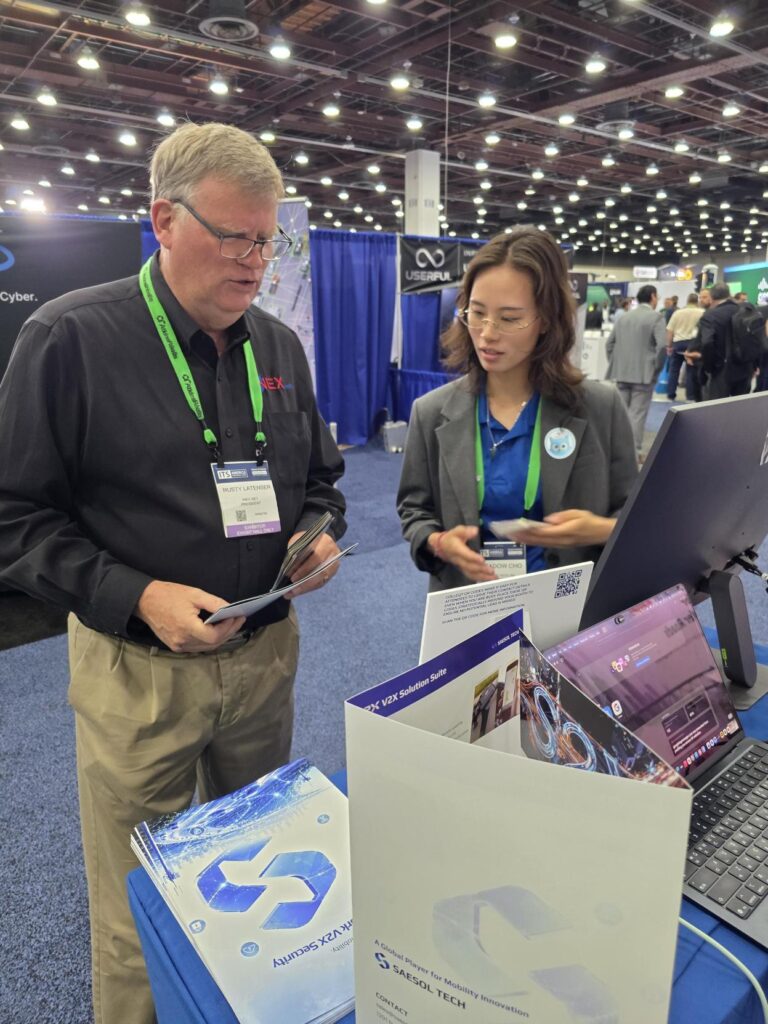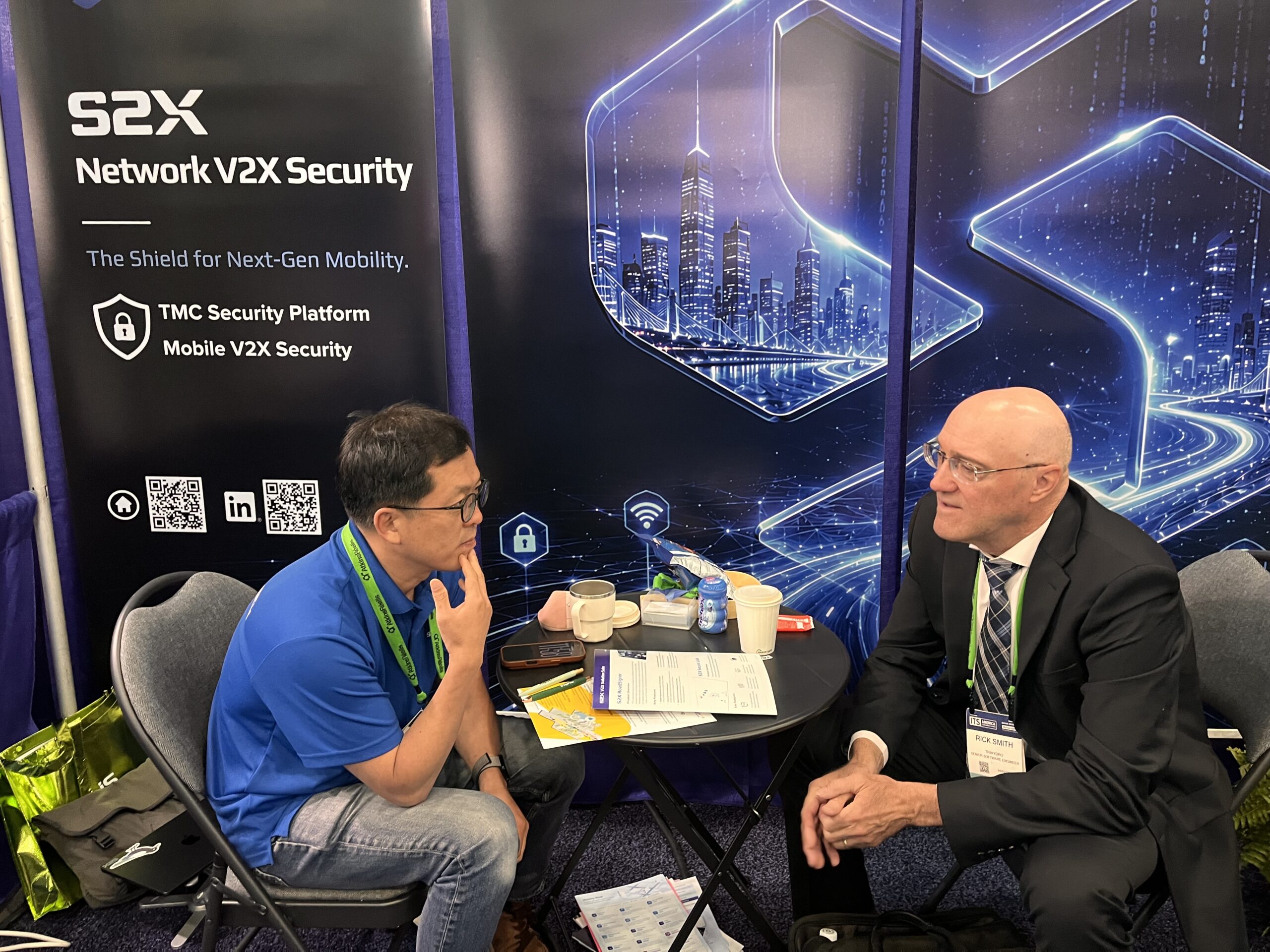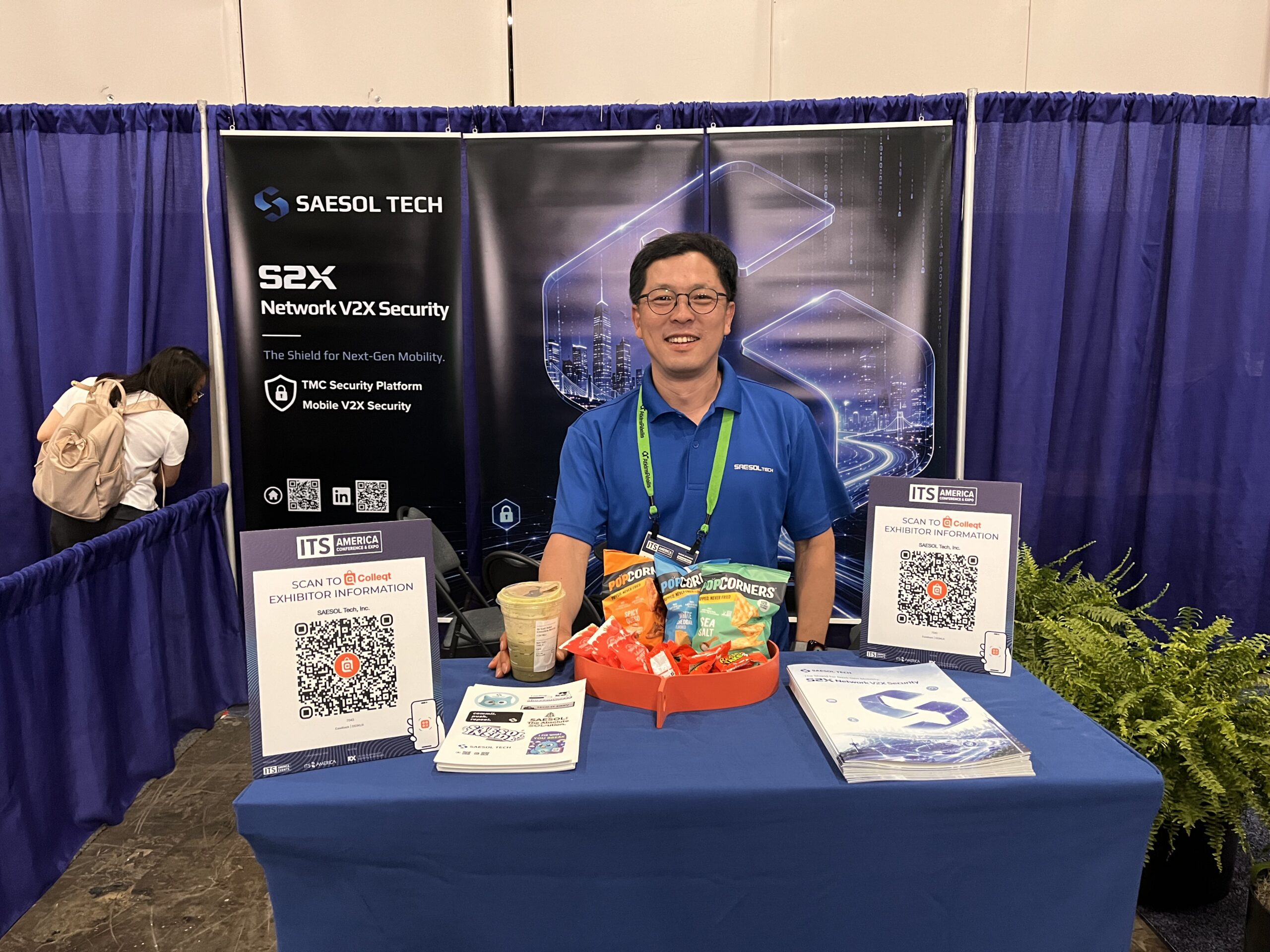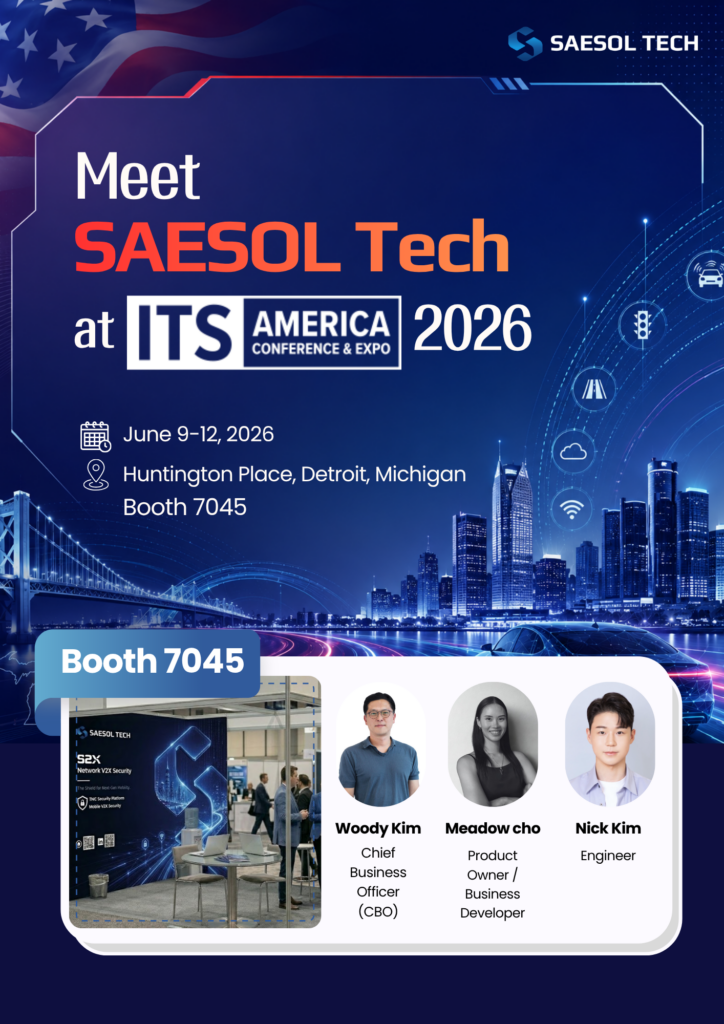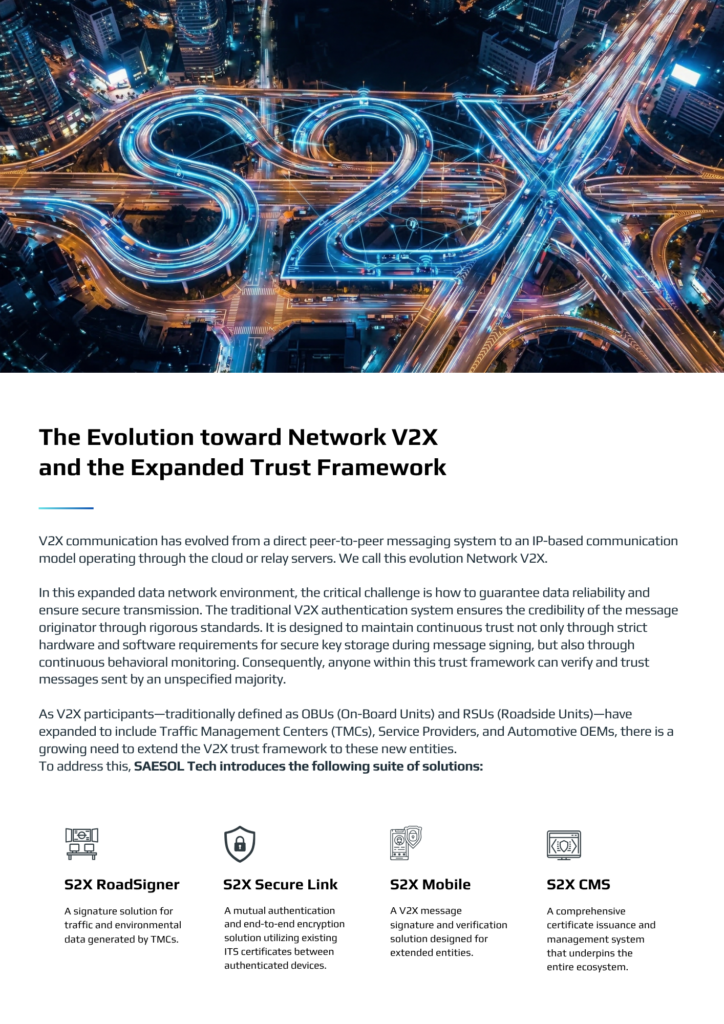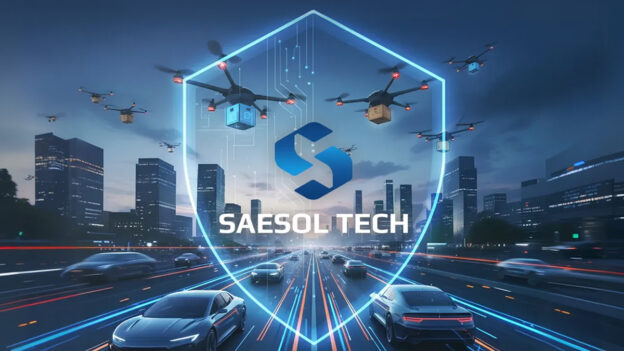
SAESOL Tech is thrilled to announce our participation in GO AUSTRIA Spring 2026 in Vienna! We are honored to join forces with visionary startups and global innovators bridging Asia and Europe.
At this premier event, we will showcase S2X, our next-generation security solution specifically designed for the European and global markets. SAESOL Tech is committed to accelerating a future of secure, reliable, and trusted connected mobility.
We look forward to connecting with new global partners and sharing our vision for the evolving mobility ecosystem. See you in Vienna!
During a meeting with Wall Street analysts after visiting CES 2025 in January, Jensen Huang was asked about the pace of development of early-stage quantum computers and stated, “It will take about 20 to 30 years to reach a useful level,” which led to a significant drop in the stock prices related to quantum computing.
However, Sundar Pichai, the CEO of Alphabet, made a positive forecast at the World Government Summit held in Dubai on February 12, stating that “Quantum computing will be possible in 5 to 10 years”, overshadowing Jensen Huang’s outlook.
The ‘Willow Chip’ from Google Quantum AI, announced on December 9, 2024, astonished experts by performing calculations that would take 10 trillion 700 billion years on a supercomputer in just 5 minutes, achieving a breakthrough in solving the random number generation problem, which is crucial for modern security infrastructure, using specific quantum algorithms. Sundar Pichai’s confidence undoubtedly stems from such empirical achievements.
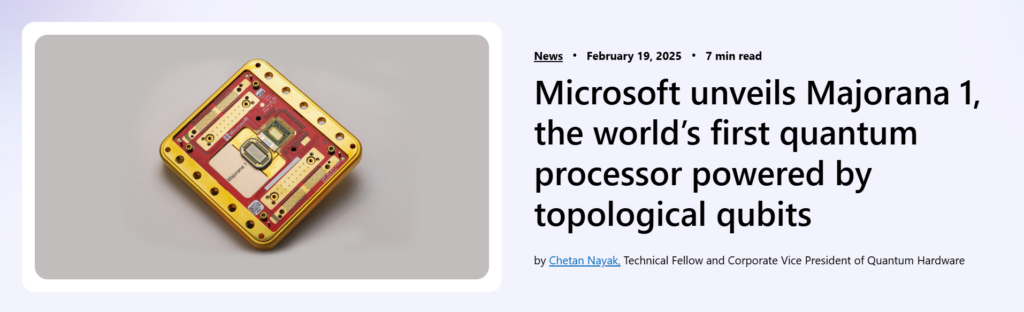
On January 19, Microsoft also announced the Majorana 1, a quantum chip using topological superconductors. According to Microsoft, Majorana 1 is a ‘topology core-based quantum processing unit’ (QPU) designed to scale up to one million qubits on a single chip, with the first product starting with 8 qubits.
Topological superconductors implemented with indium arsenide and aluminum are praised for preventing damage to quantum information, and for enabling error detection and correction to be digitized and automatically controlled, bringing commercialization one step closer. The powerful capabilities of quantum computers are now within reach.
In this rapidly changing security technology environment, we examined three key technological advancements that the C-ITS and automotive industries must prepare for.
C-ITS/Automotive Industry Perspective on Zero Trust
C-ITS (Cooperative Intelligent Transport Systems) is a core technology that can dramatically enhance traffic efficiency and safety, but it also faces the challenge of being exposed to various security threats. C-ITS is a complex system where various components such as vehicles, road infrastructure, and central systems are interconnected and exchange information, making it difficult to ensure effective security with traditional perimeter-based security methods. Data tampering, unauthorized access and control, denial-of-service attacks, and privacy violations are major security threats to C-ITS, which not only increase the risk of malfunctions and accidents but can also lead to social disruption and various side effects due to personal information leaks.
Zero Trust is a security paradigm based on the principle of ‘never trust, always verify,’ which considers all access and communication as security threats. It enhances security through measures such as least privilege access, micro-segmentation, and continuous verification. Applying Zero Trust in the C-ITS environment can overcome the limitations of existing security methods and build a safer and more reliable future transportation system.
✅ Least Privilege Access: Only the minimum necessary permissions are granted to C-ITS components and users. Role-Based Access Control (RBAC) and Attribute-Based Access Control (ABAC) are applied to refine permissions, and permissions are dynamically adjusted as needed.
✅ Micro-Segmentation: The C-ITS network is divided into small areas (segments) based on criteria such as functionality, security level, and data importance. Strict access controls are applied between each segment to minimize damage in the event of an attack.
✅ Continuous Verification: All access and communication attempts involving C-ITS components, users, and network traffic are continuously verified. The level of security verification is enhanced through multi-factor authentication (MFA), behavior-based analysis, and the use of threat intelligence.
The 5GAA (5G Automotive Association), which includes various global companies from the automotive, information and communication, and electrical and electronic industries, is researching a trust-building model centered on Dynamic Trust Assessment to address internal vehicle security threats, V2X communication vulnerabilities, and road infrastructure attacks. This approach aligns with the principles of zero trust and can further enhance the cybersecurity framework in the C-ITS environment.
AI Security
The emergence of generative AI is completely changing the mindset regarding security. Attackers use AI to perpetrate breaches, while companies use AI to defend against such attacks. Since AI serves as both a sword and a shield, it is not possible for one side to benefit exclusively. From a defensive perspective, AI helps strengthen defenses by improving vulnerabilities that had not been previously considered, identifying subtle attacks, and reducing response times. On the other hand, from an offensive perspective, it enables increasingly sophisticated attacks and assists in automatically generating code equipped with new attack techniques. Defenders and attackers are gradually escalating an arms race that will continue until one side becomes exhausted and gives up.
In relation to automobiles, enhancing the security of autonomous driving assistance systems has emerged as the biggest issue. While AI is used as a core technology in autonomous driving systems, it can also become a target for hacking. In other words, a malicious attacker could manipulate AI algorithms or tamper with data to cause vehicle malfunctions, making it crucial to verify the integrity during the deployment of AI models and to develop technologies that defend AI models from external attacks.
So, what strategies should be used to enhance AI security? Three main considerations can be made.
✅ Adoption of AI-based Security Automation:The era of manual security monitoring is coming to an end, and it is time to consider AI-based security automation. It can operate 24×7 and reduce human intervention, thus helping with risk contribution and prioritization.
✅ Development of a Zero Trust Strategy:Both external and insider threats are becoming increasingly significant risks. Therefore, the previously mentioned zero trust strategy must be expanded beyond existing boundaries.
✅ Focus on Data Protection:It is necessary to thoroughly defend internal software and internal data by implementing existing security mechanisms and enhanced security mechanisms to prevent unauthorized access.
Quantum Security
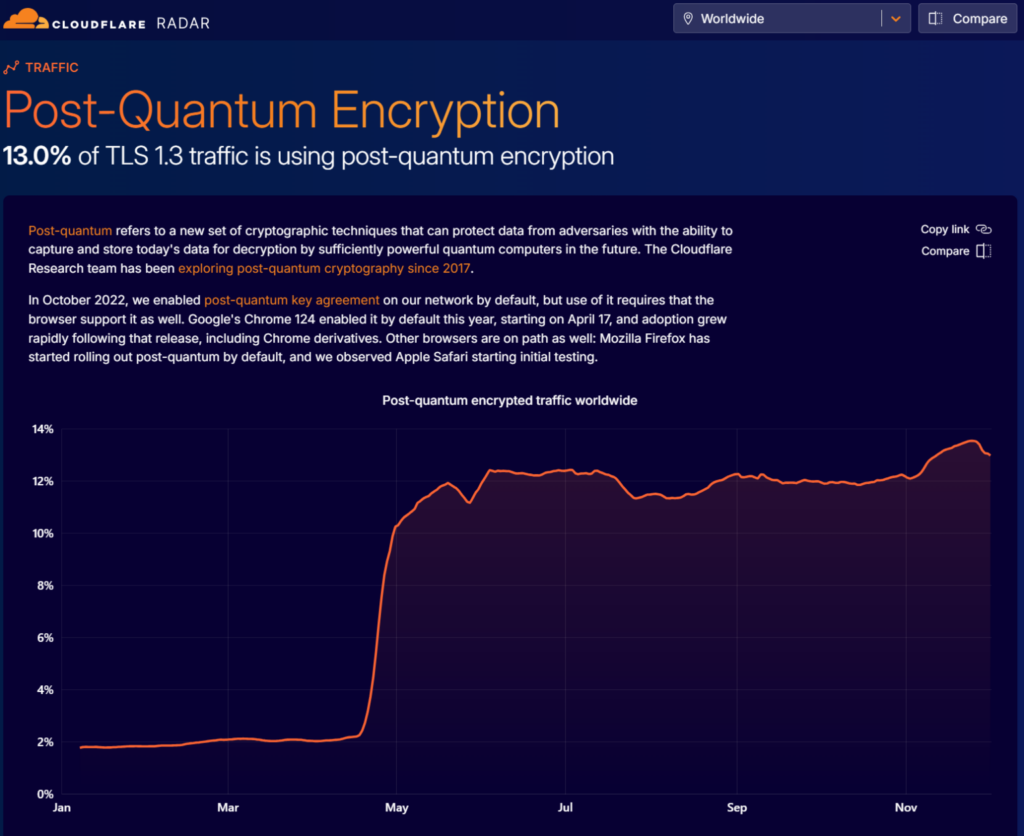
According to Cloudflare’s <Year in Review 2024>(https://radar.cloudflare.com/year-in-review/2024) report, global internet traffic has increased by 17.2%, and due to the rapid response to new technologies, post-quantum encryption has reached 13% of TLS 1.3 secure traffic. This change is driven by the growing need for post-quantum encryption to prepare for quantum computing attacks, as powerful quantum computers like Google’s Willow quantum chip and Microsoft’s Mayonara continue to be developed. https://radar.cloudflare.com/year-in-review/2024
To this end, both security companies and browser vendors are moving quickly. Google Chrome and Mozilla Firefox have already released versions with post-quantum encryption features that are quantum-resistant, while Apple Safari is also in testing, and security infrastructure companies like Cloudflare are fundamentally enabling post-quantum encryption for their customers. In quantum security, it is essential to examine three major technologies.
✅ Post-Quantum Cryptography (PQC): The currently widely used public key cryptographic methods (such as RSA, ECC, etc.) have vulnerabilities that could be easily decrypted once quantum computers are developed. Therefore, encryption techniques that are secure against future quantum computer attacks are being researched. This technology can be applied in all areas where current encryption technologies are used, including blockchain, secure communication, data protection, and digital signatures. Following standardization efforts, implementations in various programming languages are emerging (eg, the post-quantum cryptography standards JEP 496/497 in Java, https://www.infoq.com/news/2024/12/java-post-quantum/) https://www.infoq.com/news/2024/12/java-post-quantum/
✅ Quantum Key Distribution (QKD): A technology that securely shares cryptographic keys between two users using the principles of quantum mechanics. Unlike traditional cryptographic methods, QKD is based on physical principles rather than mathematical computational complexity, theoretically providing secure communication that is impossible to eavesdrop. Until observed, it does not have a definite value, and the uncertainty principle, which states that the value is determined at the moment of observation, along with the no-cloning theorem that prevents perfect replication of quantum states, enhances its stability.
✅Quantum Random Number Generator (QRNG): True randomness is required to eliminate predictable factors in the encryption process. Traditional methods generate random numbers using deterministic algorithms that rely on unpredictable initial values. In fields where security is critical, there is a need to address situations where such methods do not guarantee perfect randomness. Quantum random number generators can produce truly random numbers by utilizing the uncertainty principle of quantum mechanics and the property of quantum superposition, thereby enhancing security.
Robot Security
There is a trend of evolving from fixed robots, such as assembly robots or cooking robots, to mobile robots like unmanned vehicles, delivery robots, and combat robots. Therefore, to ensure smooth control of these mobile robots, it is necessary to utilize the mentioned C-ITS infrastructure to exchange information in real-time. Consequently, applying zero trust security to robots is essential.
Of course, applying zero trust to robots can dramatically enhance security levels, but the characteristics of the robots themselves must not be overlooked. A few additional considerations are summarized as follows.
✅ Minimizing the impact on robot performance: The application of zero trust security policies may lead to a decrease in robot system performance. It is essential to apply a zero trust architecture and technologies that minimize performance impacts, considering the real-time performance requirements of robots, such as real-time control and high-speed data processing.
✅ Supporting various robot platforms and operating environments: A flexible and scalable zero trust architecture should be designed, taking into account various manufacturers, diverse functionalities, and different communication methods of robot platforms and operating environments.
✅ Compliance with Standards and Regulations: A Zero Trust system must be established in compliance with international standards related to robot security (such as ISO TR 23482-2, IEC 62443, etc.) and domestic regulations.
✅ Anomaly Detection Based on Robot Abnormal Behavior: The robot’s behavior patterns, movement paths, and API call patterns must be analyzed using machine learning to detect abnormal behaviors in advance.
💡 Respond to Next-Generation Security Threats with SAESOL Tech !
In this rapidly changing cybersecurity environment, SAESOL Tech has completed preparations to meet advanced security requirements by meticulously establishing an overall security system in anticipation of Zero Trust 2.0 to respond to next-generation security threats.
In addition, we are conducting research on next-generation encryption technologies and security architectures that closely analyze the latest technological trends in AI-based security and quantum security. Based on this, we actively participate in the establishment of global and industry standards, leading the migration of the C-ITS and V2X security market.
SAESOL Tech prioritizes the protection of all users’ personal information beyond next-generation mobility security. We will take the lead in creating a safer future and a trustworthy communication environment through continuous technological innovation.
SAESOL Tech Inc., a provider of connected vehicle security solutions, announced today that it has signed a Memorandum of Understanding (MOU) with UNEX Technology Corp. to establish a cooperative framework for validating, demonstrating, and advancing Security Credential Management System (SCMS) and V2X security interoperability in global markets.
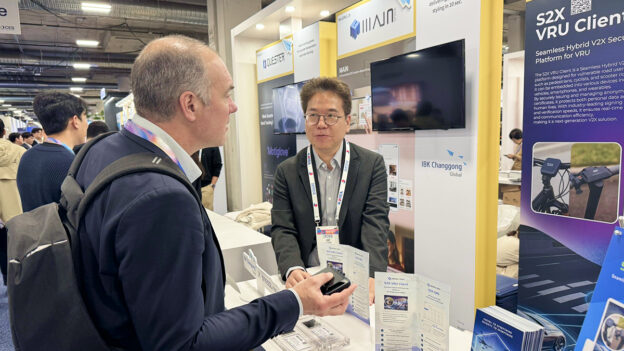
SOUTH KOREA, December 22, 2025 / EINPresswire.com / — SAESOL Tech (CEO Harry Han), a company specializing in security solutions for autonomous and connected vehicles, announced that it will participate in CES 2026, the world’s largest technology exhibition, to be held in Las Vegas in January 2026, where it will unveil its next-generation V2X security technology designed to protect vulnerable road users (VRUs).
CES (Consumer Electronics Show), taking place from January 6 to 9, 2026 is recognized as one of the world’s top three IT and electronics exhibitions alongside Mobile World Congress (MWC) and Internationale Funkausstellung (IFA). As of 2025, CES hosted over 4,500 companies from 158 countries and attracted more than 140,000 visitors. At Eureka Park, CES’s dedicated startup exhibition hall, SAESOL Tech will introduce its next-generation V2X security solution for VRU protection, the “S2X VRU Client,” for the first time.
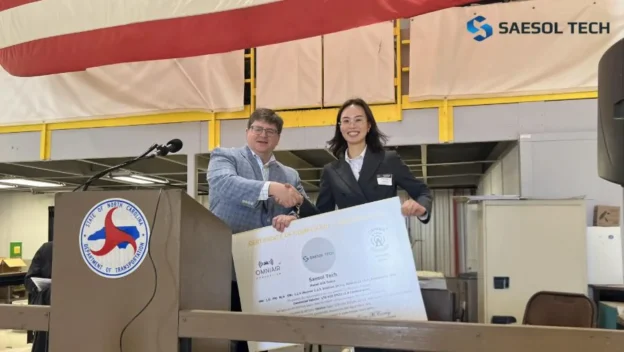
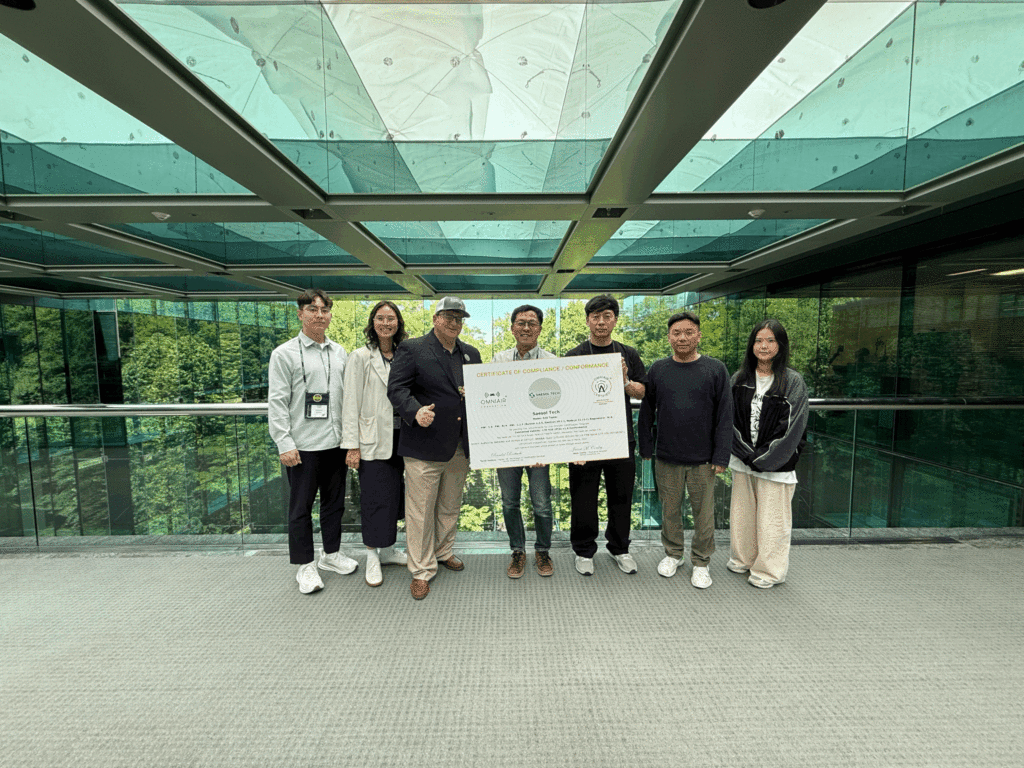
SAESOL Tech announced today that its Root Certificate Authority (Root CA) has been successfully validated by the WebTrust assurance program and has been officially added to the SCMS Manager’s Production Certificate Trust List (CTL). SAESOL Tech becomes the second organization to appear on the production list in the U.S.
WebTrust is a globally recognized third-party audit program that verifies the operational integrity and security practices of Certificate Authorities (CAs). In the V2X (Vehicle-to-Everything) environment, where vehicles and roadside units continuously authenticate messages, recognition as part of the Production CTL is a critical milestone for establishing trust in the field. SAESOL Tech’s listing confirms that its PKI infrastructure can serve as a trusted anchor for production-grade V2X devices and infrastructure.
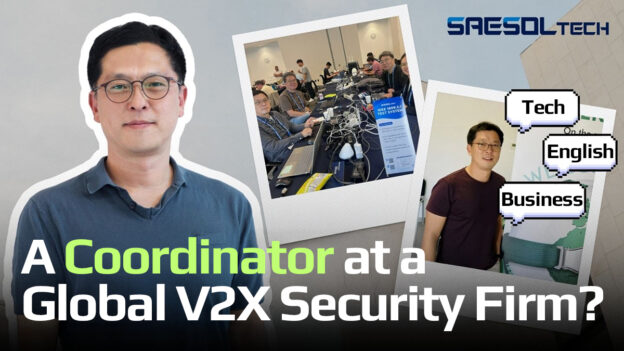
“What do the people behind global mobility innovation actually do?” We know many of you have been curious! That’s why we’ve ambitiously prepared a special series: ‘Team Saesol Tech Job Interviews’! Ta-da! 📣
First up in the spotlight is our versatile mentor, CTO Joon-woo (Woody) Kim. Get ready for an inside look at the real leadership of a startup CTO and his inspiring, never-ending drive for innovation.
Watch the full, exciting story over on the Saesol Tech YouTube channel now!
From May 28 to 30, Saesol Tech participated in the ‘2025 ITS Asia-Pacific Forum Suwon’ held at the Suwon Convention Center, showcasing the current state and future of autonomous and connected car security technology.
Held in Korea for the first time in 23 years under the theme “Hyper-connected City Presented by ITS,” this forum was a significant event attended by approximately 4,200 ITS officials and experts from 37 countries across the Asia-Pacific region.
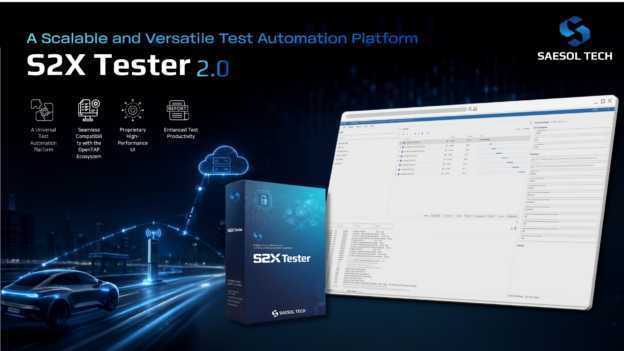
At the event, Saesol Tech introduced ‘S2X’, an all-in-one mobility security solution package essential for ITS infrastructure. The package consists of:
V2X Security Platform
Security Authentication Server
Mobility Testing & Certification Equipment
KCMVP-certified Crypto Module
As a security system optimized for global connected car services, S2X garnered significant interest from Asia-Pacific ITS officials, leading to numerous business consultations.
Beyond the Exhibition: Demonstrating Technical Leadership and Insights
Beyond the exhibition booth, Saesol Tech’s expertise was on full display through various programs. Our researchers participated in the C-ITS Interoperability Testing event held at the convention center, directly verifying the compatibility and reliability of our systems.
Furthermore, on May 29, Jun-hyuk Han, CEO of Saesol Tech, delivered a presentation during the security seminar titled “Strengthening Drone Privacy Protection: Lessons from Connected Car Service Cases.” The session drew focused attention from industry stakeholders and led to an active Q&A session, highlighting key security issues in the evolving mobility landscape.
Saesol Tech will continue to elevate the status of mobility security technology on the global stage and grow as a key player in mobility innovation. Stay tuned for our ongoing journey of challenge and growth!
Recently, news reports regarding electric vehicle (EV) fires have become increasingly frequent.
Both internal combustion engine vehicles (ICEVs) and EVs must store energy sources internally—fuel for ICEVs and battery power for EVs. While these sources are stable under normal conditions, mechanical, electrical, or physical issues can instantly turn them into the primary cause of a fire. Especially in enclosed spaces, these fires require professional firefighting intervention, meaning vehicle fires can never be treated as minor incidents.
While the causes and characteristics of ICEV and EV fires differ, they share a common trait: once ignited, they cause extensive damage not only to the vehicle itself but also to its surroundings.
While recent EV fires in underground parking lots have sparked significant social concern, it is also important to remember the 2022 fire involving an ICE truck in the Second Gyeongin Expressway soundproof tunnel, which caused large-scale casualties and economic damage.
V2N2X is a communication technology that enables safe and efficient driving by exchanging real-time information between vehicles and their surroundings. As shown in the following scenarios, V2N2X proves its true value in emergencies such as accidents or fires:
Early Detection & Alerting: When internal sensors detect heat or smoke, the system alerts the driver and immediately notifies nearby vehicles and infrastructure (e.g., control rooms) to initiate evacuations or block incoming traffic.
Automatic Reporting: It automatically notifies emergency services, providing vehicle details and precise location data using GPS or indoor positioning infrastructure.
Fire Response: By communicating with infrastructure, it can pre-emptively activate sprinkler systems to suppress the fire before infrastructure sensors even trigger. It also warns surrounding vehicles to maintain distance or avoid the area.
Ensuring Passenger Safety: In the event of a fire, the system automatically unlocks doors to assist passengers in escaping.
Implementing V2N2X can significantly minimize casualties and property damage. The key benefits in fire response are as follows:
Rapid Response: Drastically reduces the time between fire ignition and the initial emergency response.
Accurate Information: Sharing real-time vehicle and fire status prevents confusion, enabling more efficient firefighting and rescue operations.
Ensuring Passenger Safety: Creates a safer environment for evacuation and protects lives through timely emergency rescue support.
Establishing V2N2X Technology & Infrastructure: What Matters Most?
What technical hurdles must be overcome within the V2N2X landscape? To safeguard human life and property, the following two aspects are of paramount importance:
Authentication Systems for V2N2X: To address legal liabilities and accurately identify specific vehicles during incidents, Non-Repudiation—ensuring that neither the sender nor the receiver can deny a communication transaction—is essential. Each vehicle must be issued a security certificate for communication, and infrastructure must be managed securely by trusted authorities to maintain reliability.
Secure Mobility Communication for V2N2X: Security clients should be installed within vehicles to ensure data integrity in coordination with authentication systems. Furthermore, the system must be capable of detecting anomalies even in the event of hacking attempts or external interference.
The V2N2X field faces the challenge of supporting a wide range of vehicles and infrastructure, requiring alignment between automakers, partners, and various public sector requirements. Additionally, solutions must adhere to industry standards while maintaining high technical maturity and open scalability to keep pace with rapidly evolving technology.
SaeSol Tech: A Global Player in V2X Security Solutions
To address the diverse challenges arising from the proliferation of electric vehicles (EVs) and autonomous vehicles, SaeSol Tech provides solutions that issue, manage, and operate large-scale security certificates for V2X communication environments—including Vehicle-to-Vehicle (V2V) and Vehicle-to-Infrastructure (V2I)—via mobile authentication servers and services.
Furthermore, through its V2X PKI (Public Key Infrastructure) security client lineup, SaeSol Tech is leading the migration of the V2X security market. These products securely store communication certificates in vehicle terminals and ensure the stability and integrity required for communication between vehicles and traffic infrastructure.
Dedicated to an accident-free future for all, SaeSol Tech will continue to lead the way in protecting human lives and personal information, reaching beyond autonomous vehicles, EVs, and mobility security.
With the widespread adoption of EVs and autonomous vehicles, interest in V2X (Vehicle-to-Everything) infrastructure and security authentication systems is surging.
The V2X security system plays a vital role in ensuring reliability and safety. However, manual errors and time-consuming setups during integration can be significant variables. Therefore, increasing production efficiency through automation is key to accelerating V2X infrastructure deployment.
In this market environment, Saesol Tech’s SCMS (Vehicle PKI) solution is leading the migration of the V2X security market. By simultaneously supporting both CAMP and IEEE 1609.2.1 standards, the solution successfully reduces costs while boosting productivity.
Saesol Tech’s SCMS is a system that issues, manages, and operates large-scale certificates for trusted V2X communication. It is an essential component for safe and efficient communication in autonomous driving projects worldwide.
Saesol Tech delivers fast and efficient solutions that meet the evolving demands of the global V2X infrastructure market.
Strength #1: Dual Support for Legacy and Next-Gen Standards
The first highlight of Saesol Tech’s SCMS technology is its simultaneous support for both legacy and new standards.
Saesol Tech SCMS supports both the legacy international V2X security standard, ‘CAMP WIKI,’ and the latest standard, ‘IEEE 1609.2.1-2022’—for which test specifications were recently established under Saesol Tech’s leadership. This dual support reduces server deployment and operational costs while eliminating concerns regarding future upgrades.
Furthermore, it supports OTA-based re-bootstrapping for devices certified under the CAMP WIKI standard and re-enrollment for adding Service IDs (PSIDs). This allows for remote security system upgrades while maintaining existing certificate policies, enabling more efficient V2X infrastructure management.
Strength #2: Automated Bootstrapping Feature
The second highlight of Saesol Tech’s SCMS is its Automated Bootstrapping feature.
The bootstrapping process—the preparatory stage for communication between V2X devices and the SCMS—has traditionally been a complex and cumbersome task for both operators and manufacturers. Saesol Tech has resolved this by automating the process through a single device registration, significantly reducing operator errors and saving valuable time.
While the conventional CAMP WIKI method takes several minutes, Saesol Tech’s automated bootstrapping completes the process within seconds.
In addition to these capabilities, Saesol Tech’s SCMS (Vehicle PKI) offers a flexible and highly stable architecture with features such as cloud-native support and high-speed auto-scaling. These technical strengths were recently recognized with a ‘T4’ rating in the SCI Excellent Technology Company Evaluation, proving Saesol Tech’s superior technology and high potential for future growth.